No Peeking: We Ran a Blind Milk Candy Taste Test, and Brand Loyalty Did Not Survive
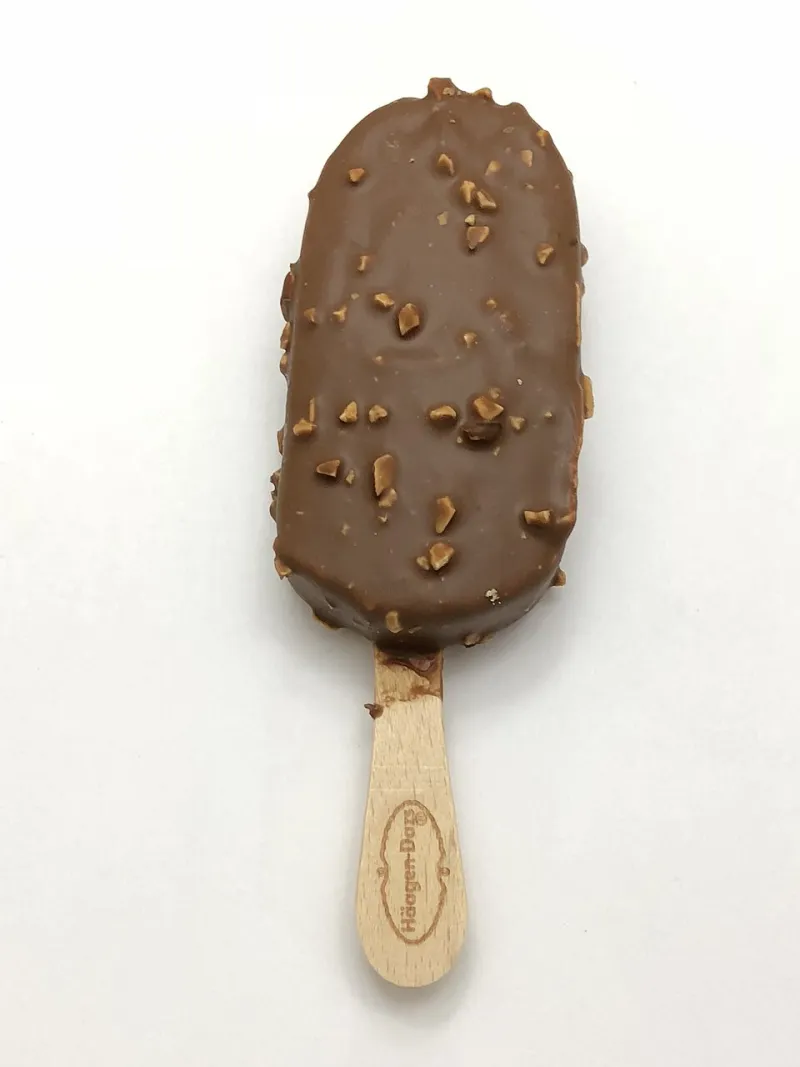
Photo: Famartin, CC BY-SA 4.0, via Wikimedia Commons
Twelve candies. No wrappers. No labels. Just a numbered sticky note beside each one and nine people who were suddenly far less confident than they'd been five minutes earlier.
We ran this test on a Tuesday afternoon in a conference room that smells faintly of old coffee, because we wanted to answer a question that nags at anyone who loves milk candy: how much of what we taste is actually in the candy, and how much is in the wrapper we already saw?
The Setup
The rules were simple and slightly obsessive:
- Every candy was unwrapped by one person and tasted by the others. No one who removed a wrapper got to vote on that sample.
- Samples were labeled A through L, in an order shuffled by a random number generator, because we are that kind of office.
- Tasters drank plain water and nibbled saltines between bites.
- Nobody was allowed to talk during a sample. We learned this the hard way after someone muttered “this is definitely a Rolo” and the room quietly agreed with them.
- Each person wrote down flavor, texture, and a brand guess before anyone revealed anything.
Our lineup leaned milky on purpose: a milk chocolate kiss, a caramel-and-chocolate chewy, a pouched milk chocolate bar, a nougat bar, a soft caramel square, a hard milk candy disc, a strawberry-cream hard candy, a panned candy with a candy shell, a milk chocolate coin, a toffee, a cream-filled wafer, and one candy marketed specifically as “extra creamy.”
What Everyone Nailed
Texture was the biggest tell. The kiss shape gave itself away before anyone bit down — that flat-bottomed teardrop is unmistakable in the hand. The hard milk candy disc got identified by six of nine tasters purely on the way it clicked against their teeth.
Chewy versus crunchy was almost never missed. Neither was the panned candy with the shell, mostly because the shell crunches before the inside arrives and your brain files that under “candy-coated, probably chocolate inside.”
So far, so reasonable. Then the guesses got humbling.
What Everyone Got Wrong
Two chocolate-covered nougat-and-caramel bars — the kind sold in nearly identical formats by rival brands — got swapped constantly. Four tasters confidently named the wrong brand. One named a brand that wasn't even in the room.
Same story with the milk chocolate bars. Given a plain square with no snap-to-break sound and no foil to crinkle, most people defaulted to the brand they buy most often at home. When we revealed the actual answers, the room made the sound people make when they lose a bet.
The strawberry-cream hard candy caused a small crisis. Half the room tasted “strawberry milkshake,” the other half tasted “generic pink.” Both were describing the same candy.
And the “extra creamy” sample? Three people called it waxy. That one stung a little.
The Part That Messes With Your Head
The whole exercise is basically expectation effect wearing a party hat. We know from sensory research that color shifts perceived intensity — a pink drink reads sweeter than a clear one, even when the sugar is identical. The sound of a wrapper crinkling primes you. A familiar logo tells your brain it already knows what's coming, so your tongue stops paying attention.
There's also a memory problem. Most of us haven't tasted our favorite milk candy in a state of careful attention since roughly middle school. What we're comparing against isn't a fresh memory of the candy — it's a memory of a memory, plus a lot of good feelings about being nine years old.
Run It Yourself
This is a genuinely fun thing to do with friends, and it costs about twelve dollars.
The short version
- Buy six to eight milk-forward candies, ideally two or three pairs from competing brands.
- Have one person unwrap everything and number the samples. That person sits out the guessing.
- Set out water and crackers. Keep the room at a normal temperature — cold candy tastes waxy and flat.
- Score flavor, texture, and brand guess on a plain sheet. Write texture first, before flavor, so your hands and teeth do some of the talking.
- Reveal all at once, then argue.
A few things we'd change next time
We'd add a second round with the wrappers visible, same candies, and compare scores. That's the real experiment: does knowing the brand change your rating of the exact same bite? We'd also cut the lineup to eight. By sample eleven, everyone was chasing the taste of saltines.
What We Actually Learned
Mostly that our palates are more loyal to shapes, textures, and memories than to actual flavor. The candies we rated highest on pure enjoyment weren't always the ones we'd defend in a group chat. The seriously cheap caramel from a bulk bin scored better than a bar several of us keep in our desks.
That's not a knock on brand loyalty — it's just worth knowing what it's made of. Half of it is taste. The other half is the sound of the wrapper.