Gone But Not Forgotten: The Milk Candies We Lost and Why It's Time to Bring Them Back
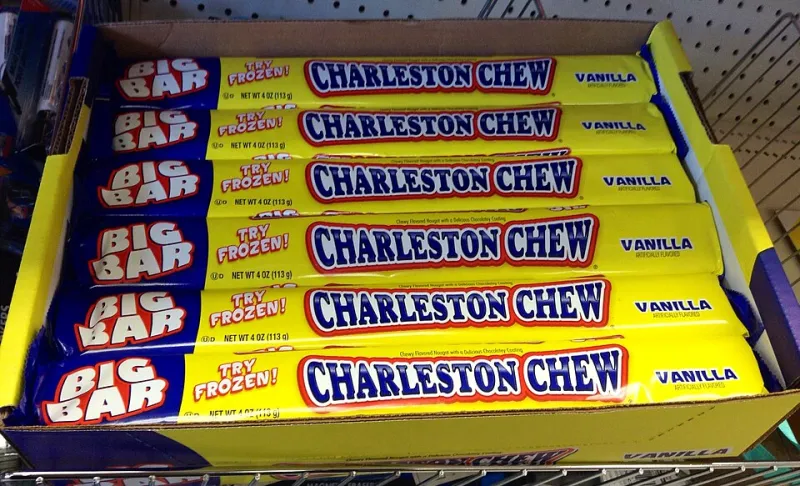
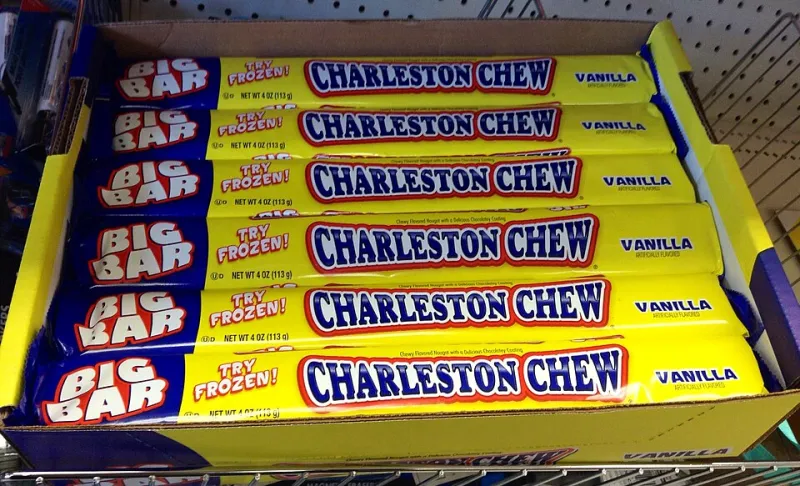
Photo: Mike Mozart from Funny YouTube, USA, CC BY 2.0, via Wikimedia Commons
There's a particular kind of grief that hits you in the candy aisle. You're scanning the rows, half on autopilot, and your hand reaches for something that isn't there anymore. Maybe it's been years. Maybe it's been decades. But your muscle memory hasn't gotten the memo.
Discontinued milk candies occupy a weird, bittersweet corner of American food culture. They're not just snacks we used to like — they're anchors to specific moments, specific people, specific versions of ourselves. And every year, a fresh wave of candy fans discovers old packaging on Reddit or stumbles across a dusty wrapper at an estate sale and thinks: why did this ever go away?
We got curious. So we dug into the history of some of the most mourned milk-based candies in the US, talked to people who track the confectionery industry for a living, and asked the collectors and superfans who've kept these memories alive what they actually think happened — and whether any of these treats stand a real shot at resurrection.
Why Do Beloved Candies Get Discontinued Anyway?
The short answer: money. The longer answer is a lot more interesting.
According to confectionery industry analysts, the decision to pull a product rarely comes down to one thing. It's usually a slow accumulation of problems — ingredient costs creeping up, production lines that need expensive retooling, a parent company that acquired a smaller brand and quietly let the legacy SKUs wither. Sometimes a candy gets caught in a corporate merger and simply doesn't survive the reorganization.
"A lot of the milk-based candies that disappeared in the '90s and early 2000s were casualties of consolidation," explains one industry consultant who's worked with major confectionery brands for over two decades. "Big companies bought smaller ones, inherited their product lines, and then had to make hard calls about what was worth keeping on shelves. If a candy wasn't pulling strong enough numbers in a specific region, it was vulnerable."
That regional piece matters more than most people realize. A milk caramel chew that was a top seller in the Midwest might have been barely a blip in sales data on the coasts. When companies look at national numbers, those regional darlings often get cut — even if their local fanbase was fiercely loyal.
The Ones That Hurt the Most
Ask any group of candy enthusiasts about their most-missed milk treats and a few names come up over and over again.
Reggie! Bar — Originally introduced in 1976 and named after Yankees slugger Reggie Jackson, this caramel, peanut, and chocolate combination had a genuinely devoted following before being discontinued. It came back briefly in the late '80s, then vanished again. The collectors' market for original wrappers is surprisingly active.
Milk Shake Bar — A chocolate-coated, milk-flavored nougat that was a staple of mid-century American candy counters. Simple, creamy, deeply satisfying. Gone by the 1980s, mourned ever since.
Marathon Bar — Eight inches of braided caramel covered in milk chocolate. It had its own ruler printed on the wrapper, which is exactly the kind of marketing that lodges itself permanently in a kid's brain. Mars discontinued it in 1981, though the UK kept a version alive under the Curly Wurly name. American fans have been asking for a domestic revival for forty years.
Caravelle — A Peter Paul candy that combined milk chocolate, caramel, and crispy wafer in a way that fans still describe with genuine reverence. When Hershey acquired Peter Paul in 1988, Caravelle didn't make the cut. Online petitions for its return pop up every few years.
These aren't obscure novelties. These are candies that had real, sustained fanbases. Their disappearance wasn't inevitable — it was a business decision, and business decisions can be revisited.
The Case for Bringing Them Back
Here's where things get genuinely interesting from a market perspective. Nostalgia-driven food revivals have proven to be serious business in the US. Dunkaroos came back. Crystal Pepsi had a comeback run. Surge returned from the dead. The appetite for retro treats isn't just sentimental — it's commercial.
"There's a real opportunity in the milk candy space specifically," says one food trend analyst who tracks consumer packaged goods. "Milk-based candies carry a warmth and comfort association that's hard to replicate. When you bring one back authentically — same recipe, same packaging — you're not just selling candy. You're selling a time machine."
Social media has completely changed the economics of a revival. A candy brand doesn't need a national ad campaign to test demand anymore. A single viral post showing original packaging can generate tens of thousands of comments from people saying they'd buy it tomorrow. That's market research that would have cost millions to generate in 1995.
The collector community has been doing this work quietly for years. Facebook groups dedicated to discontinued candy brands have memberships in the tens of thousands. Fans document original recipes, track down former employees, and occasionally crowdfund small-batch reproductions. They're not waiting for a corporation to act — they're building the case themselves.
What Would It Actually Take?
Reviving a discontinued candy isn't as simple as firing up an old production line. Ingredient sourcing has changed. Manufacturing equipment gets scrapped or repurposed. Original recipes sometimes exist only in the memories of retired food scientists or in corporate archives that nobody's checked in thirty years.
There's also the question of who actually owns the rights. Decades of mergers and acquisitions mean that the intellectual property for some beloved old brands has passed through multiple corporate hands. Tracking down who technically owns the Marathon Bar trademark in the US, for example, is not a straightforward exercise.
But none of that is insurmountable. Small-batch confectionery companies have shown it's possible to revive old formulas with modern production methods. And larger companies have financial incentive to dust off dormant IP when the nostalgia market signals are strong enough.
The Fans Aren't Going Anywhere
What strikes you, when you spend time in these collector communities, is how patient people are. They've been asking for some of these candies back for twenty, thirty, forty years. They're not angry — they're just persistent.
One collector who runs a discontinued candy documentation project put it simply: "These weren't bad products. They didn't fail because people stopped liking them. They got caught in decisions that had nothing to do with the candy itself. That's worth remembering."
He's right. The milk candies we lost weren't casualties of changing tastes. They were casualties of spreadsheets. And spreadsheets, unlike memories, can be updated.
So here's our ask, directed at whoever currently holds the rights to the Marathon Bar, the Caravelle, the Milk Shake Bar: the market is there. The fans are there. The nostalgia economy is very much real and very much open for business.
We'll be in the candy aisle, waiting.