Selling You Yesterday: How Milk Candy Brands Turned Your Childhood Into a Cash Cow
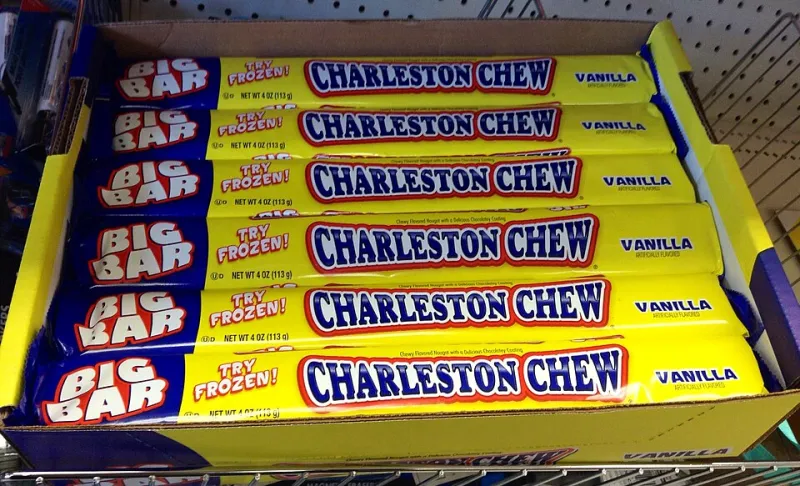
Photo: Mike Mozart from Funny YouTube, USA, CC BY 2.0, via Wikimedia Commons
There's a particular kind of joy that hits when you spot a candy you haven't seen since third grade sitting on a drugstore shelf. Your heart does a little jump. You grab it without even checking the price. That reaction — that automatic, almost involuntary reach — is exactly what confectionery brands are engineering, and they're getting very, very good at it.
Nostalgia marketing isn't new, but in the milk candy world, it's become something close to a science. Brands that once competed purely on flavor and price are now competing on feeling. And the feeling they're selling is one of the most potent in the human emotional catalog: the warm, slightly fuzzy pull of childhood.
Why Milk Candy Hits Different When It Comes to Memory
Not all food nostalgia is created equal. Sure, people feel sentimental about their grandmother's pot roast or a specific brand of cereal. But milk-based candies — think caramels, cream-filled chocolates, milk duds, butterscotch discs, those little strawberry candies wrapped in cellophane — occupy a uniquely tender corner of the American memory.
Part of that comes down to texture and fat. Milk chocolate and cream-based candies coat the mouth in a way that's physically comforting, triggering what food psychologists sometimes call "oral comfort responses" — essentially, your brain associating that specific mouthfeel with safety and warmth. When you were a kid getting a handful of caramels at Halloween or unwrapping a Symphony bar from your Easter basket, your brain was busy filing that sensory experience under good times.
Decades later, one bite of the same candy can unlock that entire emotional archive. Brands know this. They're counting on it.
The Limited-Edition Revival Playbook
If you've been paying attention to candy releases over the past several years, you've noticed a pattern. A beloved milk candy disappears for a while — sometimes it's discontinued, sometimes it just fades from mainstream shelves — and then, with significant fanfare, it comes back. Usually in a "limited edition" run. Often with slightly retro packaging. Almost always at a premium price.
This is not accidental. It's a deliberate marketing framework that candy companies have refined into something approaching an art form.
The scarcity element is crucial. "Limited edition" isn't just a descriptor — it's a psychological trigger. It tells consumers that if they don't act now, they'll miss out. For a candy tied to childhood memories, that FOMO hits especially hard. You're not just potentially missing a snack; you're potentially missing a chance to reconnect with a version of yourself you haven't visited in a while.
Retro packaging amplifies the effect. When a brand rolls out a wrapper design that looks like it came straight from 1987, it's not being lazy about design — it's being strategic. That visual cue bypasses your rational brain and speaks directly to your emotional memory. You see the old wrapper and you feel something before you've even tasted anything.
What Candy Historians Say About the Long Game
People who study confectionery history point out that nostalgia cycles in candy tend to run about 20 to 30 years. That's roughly the time it takes for a generation to grow up, gain purchasing power, and start feeling sentimental about the treats of their youth. Brands that understand this cycle can time their revivals with remarkable precision.
The early 2000s saw a wave of 1970s and '80s candy revivals aimed squarely at Gen X consumers hitting their 30s and 40s. Now, the nostalgia machine is churning for millennials, with brands dusting off treats from the '90s and early 2000s — that golden era of Surge and Dunkaroos and an almost overwhelming variety of milk chocolate novelties.
What's different now is the speed and reach that social media provides. A brand doesn't have to wait for a national ad campaign to drum up excitement for a throwback release. One well-placed post showing a retro wrapper can generate millions of impressions overnight, fueled entirely by people tagging friends with "THEY BROUGHT IT BACK" energy.
The Premium Price Problem (That Isn't Really a Problem)
Here's the part that should, by any rational consumer logic, be a dealbreaker: nostalgia-marketed milk candies often cost significantly more than their standard counterparts. A "throwback" version of a caramel chocolate bar might run 30 to 50 percent higher than the regular version sitting two shelves down. And yet, they sell.
Marketing researchers have a term for this: the "nostalgia premium." Consumers willingly pay more for products that promise an emotional experience, not just a physical one. When you're buying a limited-edition retro milk candy, you're not really buying candy — you're buying access to a memory. And memories, it turns out, have a pretty elastic price ceiling.
This is especially true for milk-based treats, where the sensory experience is so tied to emotional recall. A dark chocolate bar might be evaluated more analytically — on bitterness, complexity, origin. But a creamy milk caramel? You're probably not critiquing its terroir. You're thinking about the candy dish at your grandparents' house.
When Nostalgia Marketing Works Against Itself
It's not all smooth sailing for brands playing the memory card. There's a real risk in over-relying on nostalgia: if the product doesn't actually live up to the memory, the disappointment can be brutal — and very public.
Food reformulations are a particular minefield. If a brand brings back a beloved milk candy but quietly uses a different recipe (cheaper ingredients, adjusted sweetness levels, modified texture), fans who grew up on the original will notice. And they will talk about it loudly on Reddit, TikTok, and every candy-focused corner of the internet. The nostalgia play can backfire spectacularly when the product itself doesn't match the emotional promise of the packaging.
There's also the question of authenticity. Younger consumers, in particular, have a finely tuned radar for manufactured sentiment. A nostalgia campaign that feels cynical or hollow can generate exactly the wrong kind of buzz.
So What Does This Mean for You, the Candy Buyer?
Honestly? You're probably going to keep falling for it, at least some of the time. And that's okay. There's nothing wrong with paying a little extra to spend five minutes feeling like you're ten years old again, standing in the checkout line at the grocery store with a candy bar you just convinced your mom to buy.
But it's worth being a savvy consumer about it. Notice when a brand is leaning on packaging and limited availability more than it's actually improving the product. Pay attention to whether the candy tastes the way you remember, or whether the memory was always better than the reality.
And maybe consider this: the best milk candies don't actually need nostalgia marketing to sell themselves. They're just genuinely good. The ones that keep showing up in retro wrappers and "throwback" campaigns year after year might be telling you something about what's actually inside the wrapper.
Your childhood memories are precious. They're also, apparently, worth quite a lot to someone else. Just something to chew on.