The Candy Aisle Sticker Shock: What Happened to the Price of Your Favorite Milk Treats
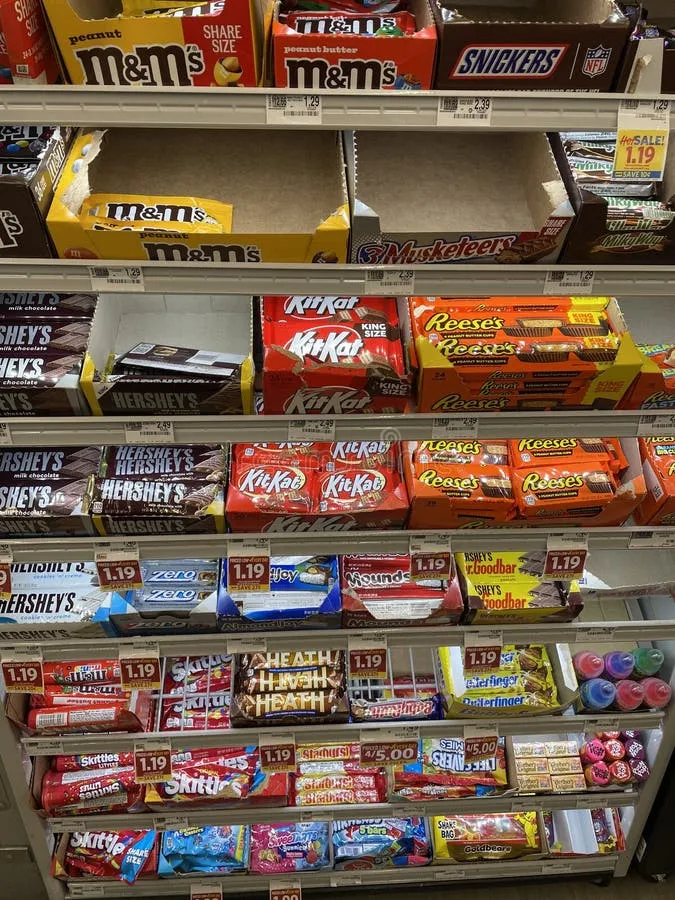
Photo: candy bar price tag grocery store checkout lane, via thumbs.dreamstime.com
There's a specific kind of discomfort that hits when you grab a Rolo off the impulse-buy rack, flip it over, and see the price. You blink. You do a little mental math. You think, wasn't this like a dollar? Then you either put it back or quietly justify it and move on with your life.
You're not imagining things. The milk candies you grew up loving — the ones that taste like Friday afternoon and your grandma's candy dish — have gotten noticeably more expensive over the past decade. We're not talking a few cents here and there. In some cases, prices have climbed 40 to 60 percent since 2015, and the reasons behind that jump are messier than you might think.
Let's Talk Numbers First
Back in 2015, the average price of a standard candy bar in the US hovered around $1.20 to $1.40. Today, that same bar sits closer to $2.00 to $2.50 at most major retailers — and that's before you wander into a specialty shop or an airport. According to data from the Bureau of Labor Statistics, candy and chewing gum prices rose roughly 30 percent between 2020 and 2024 alone, outpacing general food inflation during that same stretch.
Milk-based candies took a particularly hard hit. And that makes sense once you start pulling on the thread of what actually goes into them.
The Ingredient Problem
Milk chocolate isn't complicated in concept — cocoa, sugar, milk solids, fat — but every single one of those components has faced serious pricing pressure in recent years.
Dairy is the obvious one for us here at Milk & Candy. Whole milk powder, which is the backbone of that creamy texture in everything from a Milky Way to a box of Whoppers, saw price spikes driven by drought conditions affecting US cattle regions, rising feed costs, and shifts in global dairy demand. When milk powder prices jump on the commodity market, manufacturers feel it fast.
Cocoa has been even more dramatic. West Africa, which produces the majority of the world's cocoa supply, experienced poor harvests tied to climate shifts and crop disease. By early 2024, cocoa futures hit historic highs — at points exceeding $10,000 per metric ton, up from around $2,500 just a few years prior. That's the kind of swing that reshapes an entire industry's cost structure overnight.
Sugar hasn't been quiet either. Between domestic crop issues and import tariff policies that have long kept US sugar prices above the global average, candy makers are paying more per pound than their counterparts in many other countries.
Supply Chain Wasn't Just a Buzzword
If you worked in any industry between 2020 and 2022, you heard the phrase "supply chain disruption" until you wanted to scream. For candy manufacturers, it wasn't abstract. Shipping delays meant ingredients arrived late or not at all. Packaging materials — foil wrappers, cardboard, that crinkly inner lining on a Reese's — became scarce and expensive. Labor costs at production facilities climbed as workers, rightfully, demanded better wages.
One regional candy maker we spoke with, who produces milk caramel-based confections for specialty retailers, described 2021 and 2022 as "building the plane while flying it." They were reformulating products on the fly, substituting ingredients, and still couldn't fully absorb the cost increases without passing some of them to the customer.
The big players — Mars, Hershey, Nestlé — had more leverage to absorb short-term shocks, but even they eventually adjusted shelf prices. And some got creative about it.
Shrinkflation: The Sneaky Cousin of a Price Hike
Here's the part that genuinely stings. Not every brand raised prices outright. Some quietly shrank the product instead. This practice, which economists call shrinkflation, means you're paying the same (or close to the same) price for less candy.
A few years back, consumer watchdog groups noted that several popular milk chocolate bars had trimmed their weight by 10 to 15 percent without changing packaging in any obvious way. The bar looks the same in your hand. The wrapper is the same color. But there's a little less of it.
It's not illegal. It's not even uncommon across the grocery store. But for candy — a product that is so deeply tied to memory and emotional expectation — it feels like a small betrayal.
What Nostalgic Consumers Actually Think
We asked a handful of candy lovers around the country how they're responding to the price creep, and the answers were pretty telling.
A lot of people said they've shifted to buying in bulk at club stores like Costco or Sam's Club, where the per-unit price is still manageable. Others said they've started treating their old favorites as genuine occasional indulgences rather than everyday snacks — which, honestly, might not be the worst thing for anyone.
A few people said they've started exploring store-brand alternatives, and a surprising number of them admitted the store brands were... fine. Sometimes better than fine.
And then there's the group that just buys the candy anyway, grumbles about it, and moves on. Solidarity.
Are the Classics Still Worth It?
This is the real question, right? When a Milky Way costs $2.50 or a bag of Rolos runs you $4, are you still getting what you came for?
Honestly? That depends on what you came for. If you're chasing pure caloric value, there are cheaper ways to get sugar and fat. But if you're buying a Milky Way because it tastes like something specific — like being seven years old and sorting Halloween candy on the living room floor — then the math is different. You're not just buying chocolate and nougat. You're buying a feeling.
The more interesting development is that the price gap between major commercial milk candies and small-batch or artisan alternatives has narrowed considerably. When a Milky Way and a handcrafted milk caramel bar from a small producer are within a dollar of each other, it becomes a genuinely competitive choice.
The Bottom Line
Milk candy prices aren't going back to 2015 levels. The ingredient costs, the labor shifts, the climate pressures on cocoa and dairy — those aren't temporary blips. They're structural changes to the candy economy.
What that means for you as a candy lover is that the impulse-buy era of milk chocolate is probably over. These treats are becoming more of a considered purchase, and maybe that's okay. Maybe savoring a Rolo because you actually chose it — not just grabbed it at checkout — makes it taste a little better anyway.
Or maybe that's just something we tell ourselves to feel better about the receipt. Either way, we're still buying the candy.