Two Generations, Two Candy Aisles: How Millennials and Gen Z Fell in Love With Milk Treats for Totally Different Reasons

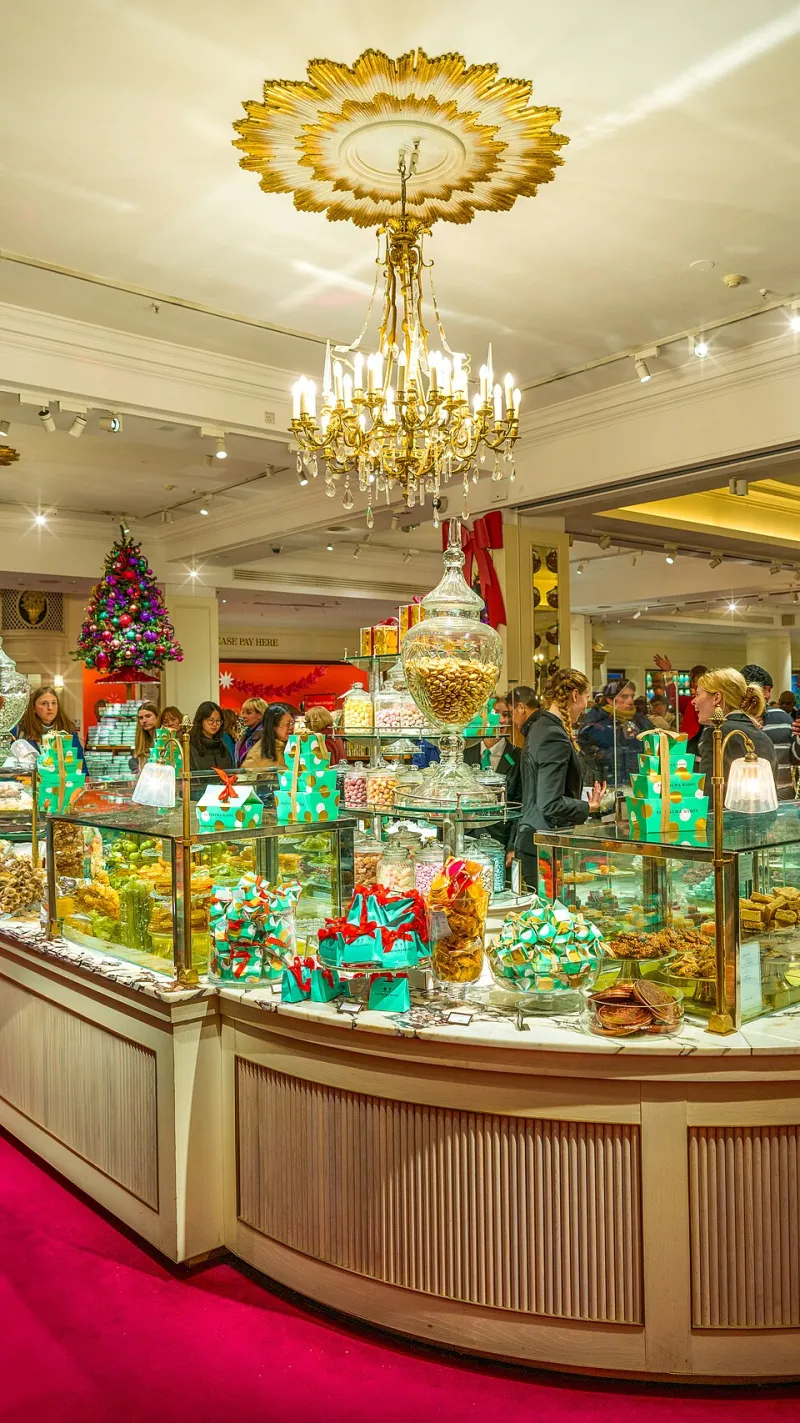
Photo: Diane Ranville, CC BY-SA 4.0, via Wikimedia Commons
Walk down the candy aisle of any Target or Whole Foods right now and you'll notice something a little strange. On one side, there are premium caramel bars in matte black packaging, single-origin milk chocolate with tasting notes printed on the back, and "elevated" takes on butterscotch that cost three times what the classic version does. On the other side, there are retro milk candy bags — Werther's, Cow Tales, Brach's — flying off shelves and showing up in TikTok videos with millions of views.
Same product category. Totally different energy. And it all comes down to who's buying.
The Millennial Move: Nostalgia, But Make It Fancy
Millennials — broadly, people born between 1981 and 1996 — grew up in the golden age of milk candy. Caramel Creams, Milk Duds at the movies, those little wax bottles filled with colored sugar syrup, Whoppers by the handful. These weren't just candies; they were emotional landmarks. And now that millennials are adults with disposable income and a complicated relationship with their own childhoods, they want to revisit those landmarks — just with better ingredients and nicer packaging.
This is why the "elevated classics" lane in the candy market has exploded. Brands like Compartés in LA and Stick With Me Sweets in New York have built serious followings selling milk chocolate and caramel confections that are unmistakably rooted in classic American candy traditions but executed with the kind of care you'd expect from a fine restaurant. Salted caramel millk chocolates with actual fleur de sel. Butterscotch made with real cream and aged butter. Milk fudge using local dairy.
Millennials aren't just buying candy. They're buying a version of themselves — one that's sophisticated enough to appreciate quality but still connected to the kid who ate a whole bag of Milky Way Minis in one sitting.
There's also a wellness angle at play here, which feels a little ironic when we're talking about candy, but hear it out. Many millennial consumers are actively seeking out milk-based sweets with cleaner ingredient lists — fewer artificial flavors, recognizable dairy components, less processed sugar. They'll pay a premium for it, too. According to data from the National Confectioners Association, premium chocolate and candy segments have seen consistent growth over the past five years, driven largely by consumers aged 28–42.
The Gen Z Move: Retro Is the New Aesthetic
Gen Z's relationship with milk candy is genuinely different, and it's a lot more fun to watch play out in real time. For a generation that never actually experienced the peak era of classic milk candies firsthand, those treats carry a different kind of charge — they're not nostalgic in the personal sense, they're nostalgic in the cultural sense. Vintage. Collectible. Ironically cool.
If you've spent any time on TikTok or Instagram in the last couple of years, you've seen this phenomenon in action. "Old people candy" hauls — where younger creators film themselves trying Werther's Original, Brach's Milk Maid Royals, or ribbon candy for the first time — routinely rack up hundreds of thousands of views. The appeal isn't just the flavor (though Gen Z is often genuinely surprised by how much they enjoy these things). It's the bit. The aesthetic. The way a bag of old-school milk candies becomes a prop in a larger story about discovering something your grandma liked.
This has had a real and measurable impact on sales. Werther's, one of the most quintessentially "grandma candy" brands in America, has seen meaningful growth among younger demographics — a shift the brand has leaned into with social campaigns that embrace rather than fight the joke. Brach's has done something similar, releasing limited-edition packaging and collaborating with influencers who position the candy as charming and retro rather than outdated.
For Gen Z, the candy aisle is content. And milk candies — with their old-fashioned wrappers, their simple flavors, their associations with a pre-internet America — are extremely good content.
Where These Two Tribes Actually Agree
For all the differences in why these two generations love milk candy, there's a surprising amount of overlap in what they're actually reaching for. A few categories are genuinely winning with both groups:
Caramel, always caramel. Whether it's a $12 artisan caramel bar for the millennial or a bag of classic Caramel Creams for the Gen Z TikTok haul, caramel is the undisputed common ground of milk candy culture. Creamy, chewy, sweet with just enough bitterness — it hits something universal.
Milk chocolate over dark. Despite years of food media telling everyone that dark chocolate is more sophisticated, both millennials and Gen Z skew toward milk chocolate when they're buying candy for pure enjoyment rather than performance. The creaminess and sweetness of a good milk chocolate just delivers in a way that feels honest.
Novelty formats. Both groups respond to candy that does something unexpected — unusual shapes, surprising fillings, flavors that feel fresh even when the base concept is classic. A milk caramel stuffed with miso paste or a cream-filled chocolate shaped like something absurd can capture both the premium-seeking millennial and the content-hungry Gen Z buyer.
What This Means for the Candy Industry
Candy manufacturers are watching this generational split closely, and it's creating some genuinely interesting strategic decisions. Do you invest in premium positioning that speaks to millennial spending power? Or do you lean into the retro revival and let Gen Z do your marketing for free on social media?
The savviest brands are trying to do both — sometimes with the same product. Packaging redesigns that feel both nostalgic and modern. Social campaigns that speak to Gen Z humor while maintaining the quality signals millennials want. Limited-edition drops that create scarcity and buzz across both demographics.
Smaller artisanal makers, interestingly, often end up winning with both groups organically. A small-batch caramel company with beautiful branding and a compelling origin story can be the "elevated treat" for a millennial and the "cool indie find" for a Gen Z buyer simultaneously. The authenticity reads differently to each audience but lands just as effectively.
The Bigger Picture
What's actually happening here — beneath the TikTok hauls and the fancy packaging — is that two generations are using milk candy to work through something. Millennials are processing the gap between who they thought they'd be and who they actually are, and a really good caramel is a small, affordable act of self-care that bridges that gap. Gen Z is discovering that the analog, pre-digital world has textures and flavors worth exploring, and a bag of Werther's is an easy, low-stakes portal into that world.
Milk candy, it turns out, is doing a lot of emotional heavy lifting for a lot of people. And honestly? Good. That's exactly what it's always been for.