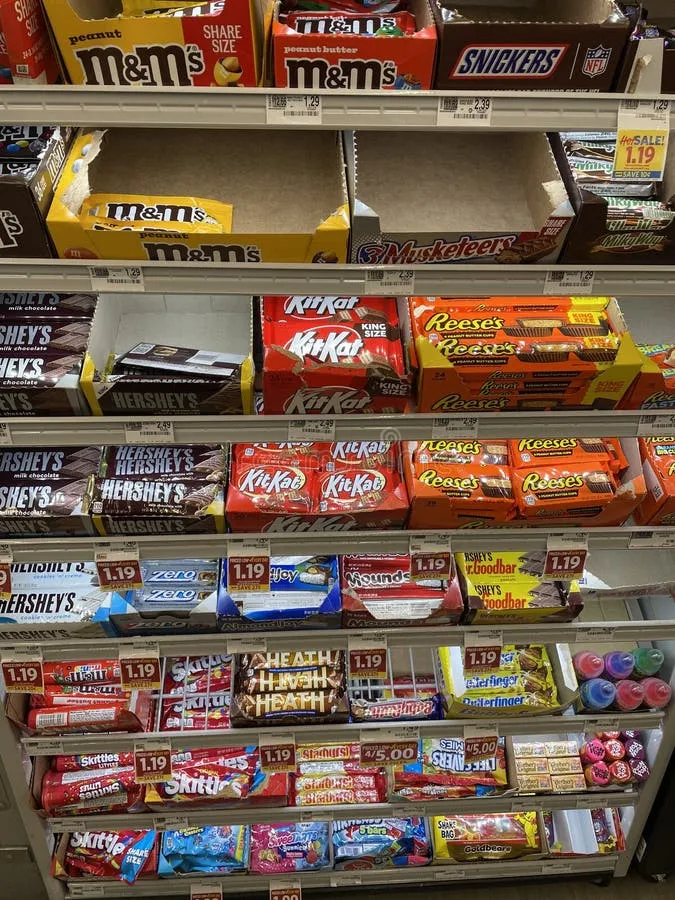
Same Wrapper, Whole New Candy: How Classic Milk Treats Are Reinventing Themselves for Grown-Up Fans
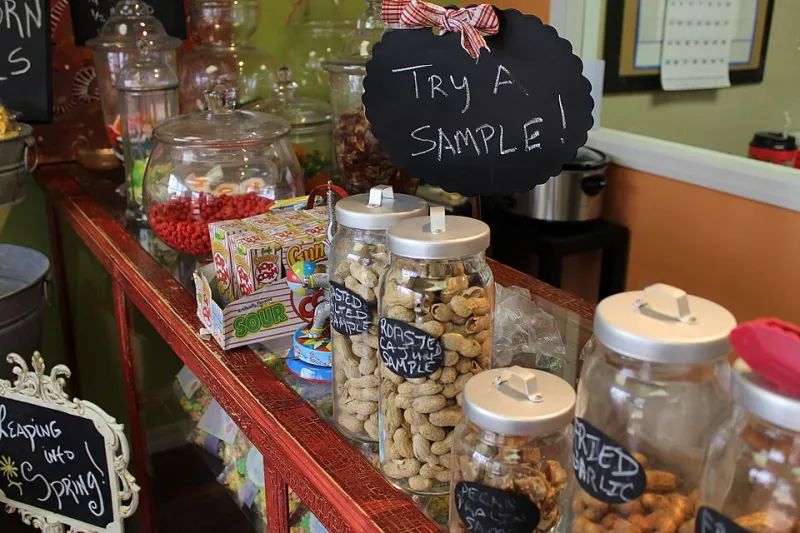
Photo: Shreveport-Bossier Convention and Tourist Bureau, CC BY 2.0, via Wikimedia Commons
There's a particular kind of emotional power that lives inside a piece of milk candy. It's not just sugar. It's the backseat of a station wagon, a grandma's glass candy dish, the crinkle of cellophane on a slow afternoon. Candy brands know this. And right now, a lot of them are betting that you love those memories enough to follow them somewhere new.
The question is: how far can you push a classic before it stops being the thing people fell in love with in the first place?
The Nostalgia Economy Is Very Real
Food trend analysts have been tracking what some call the "comfort premium" — the willingness of consumers, especially millennials and Gen X shoppers, to pay more for products that feel emotionally familiar but come with modern-day upgrades. Think cleaner ingredient lists, elevated flavor profiles, and packaging that looks just as good on a charcuterie board as it does in a candy dish.
Confectionery brands have taken notice in a big way. Over the last five years, the specialty candy market in the US has grown steadily, and a significant chunk of that growth is coming from legacy brands repositioning classic products toward adult buyers who still want that hit of childhood sweetness — just, you know, slightly fancier.
"There's a real tension in what we do," says one product developer at a mid-size confectionery company who asked to remain unnamed. "You have customers who will genuinely be upset if you change anything about a product they've loved for thirty years. And then you have a whole new wave of buyers who want that same product but with grass-fed butter and no artificial dyes. Pleasing both groups at the same time is honestly the hardest puzzle in the industry."
Case Study: The Caramel Comeback
Few milk-based candies have had a more dramatic reinvention arc than the humble caramel. For decades, the classic wrapped caramel cube — soft, buttery, a little sticky — was just... there. Gas stations. Halloween bowls. Grandpa's coat pocket.
Then the artisan caramel wave hit, and suddenly caramel was a whole thing. Small-batch makers started playing with sea salt, brown butter, and alternative dairy bases like goat's milk and cream from local farms. Larger brands caught on quickly. You can now find premium caramel lines from companies that also make the grocery-store basics, sold at a significantly higher price point and marketed almost exclusively to adults.
What's interesting is that the original products didn't go anywhere. The classic caramel cube still sells extremely well. The premium version just opened up a second revenue stream — and a second conversation with consumers who might have otherwise aged out of the candy aisle entirely.
When "Healthier" Gets Complicated
Not every reinvention lands smoothly. The push toward cleaner ingredients has created some genuinely awkward moments for brands whose identities are built on things like artificial flavoring and shelf stability.
Milk chocolate, in particular, is a tricky reformulation target. The specific mouthfeel people associate with beloved milk chocolate bars — that quick melt, that particular sweetness — is the result of a very deliberate formula. Swap in oat milk, reduce the sugar, cut the emulsifiers, and you often end up with something that tastes fine but doesn't feel like the thing you remember. And for nostalgia-driven products, feeling right might matter more than any ingredient swap.
"We tried a cleaner-label version of one of our core products a few years ago," one candy company marketing director shared at a confectionery industry panel. "The focus groups liked it in concept. But when people actually tasted it next to the original, they chose the original every single time. Nostalgia has a flavor, and it's not always compatible with 'better for you.'" The test product never made it to shelves.
That said, some brands have managed the balance gracefully. A handful of milk-based candy companies have introduced parallel product lines — keeping the original formula intact while launching a separate premium or "better-for-you" version under a slightly different name. It's a smart hedge, even if it can feel a little like having it both ways.
The Flavor Innovation Lane
Where reinvention tends to work most reliably is in flavor. Consumers are generally more forgiving of a new flavor than they are of a texture change or an ingredient swap. And the appetite for unusual combinations in the milk candy space has genuinely exploded.
Birthday cake milk caramels. Brown butter toffee with espresso. White chocolate fudge with lavender and honey. These aren't fringe products anymore — they're showing up in Target seasonal sections and Trader Joe's endcaps, which is basically the mainstream seal of approval.
Limited-edition flavor drops have become a particularly effective tool. They generate buzz, they create urgency, and they let brands experiment without fully committing. If the matcha white chocolate bark sells out in a week, great — maybe it becomes a permanent offering. If it doesn't land, it disappears quietly and nobody has to answer for it.
The Originals That Refuse to Budge (and Why That's Also a Strategy)
And then there are the holdouts. The brands and products that have essentially said: we're not changing, and that's the whole point.
There's something quietly powerful about a candy that hasn't changed its formula in sixty years. It becomes a kind of cultural artifact. People seek it out specifically because it's the same. In a market flooded with "elevated" and "reimagined" and "artisanal," consistency is its own form of innovation — or at least its own form of brand identity.
Some of the most beloved milk-based candies in America fall into this category. The wrapper looks the same. The taste is the same. The price has gone up (inflation is inflation), but the product itself? Untouched. And fans are fiercely loyal because of it, not in spite of it.
So What Does This All Mean for Candy Lovers?
Honestly? It means this is a pretty great time to be someone who loves milk candy. The classic stuff is still there. The premium, grown-up versions are increasingly easy to find. And the experimental limited-edition releases give you something new to get excited about on a regular basis.
The brands that are navigating this moment best seem to understand something important: nostalgia isn't a product feature, it's a relationship. You can build on it, expand it, even challenge it a little — but you can't replace it. The milk and sugar at the center of it all still has to taste like something worth remembering.
And if the new version also happens to be made with grass-fed cream and a pinch of fleur de sel? Well. We're not complaining.