Better Together: The Pairing Guide That'll Change How You Eat Milk Candy Forever
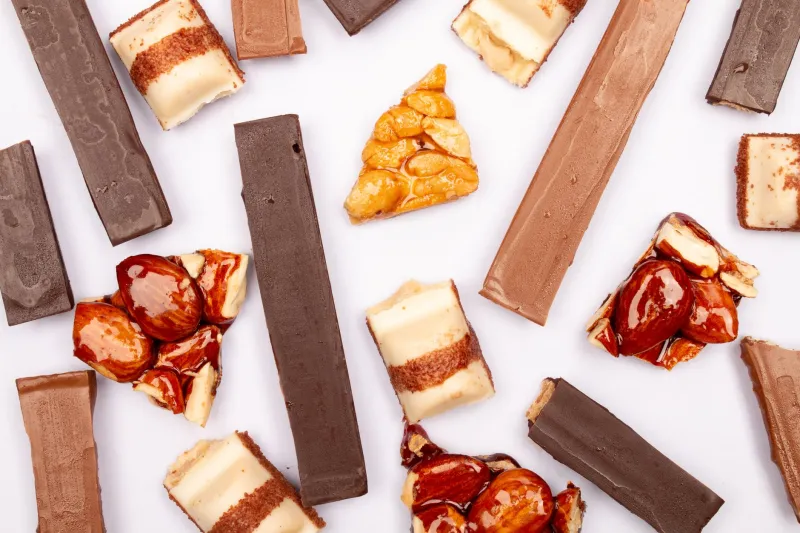
Most of us eat milk candy the same way every time. You unwrap it, you pop it in your mouth, you enjoy it, end of story. And honestly? That's a perfectly good story. But what if there was a sequel?
Flavor pairing—the idea that certain foods and drinks amplify each other when consumed together—isn't just for wine sommeliers and fancy tasting menus. It works just as well with a bag of caramels or a handful of Milk Duds. The science behind it is real: complementary flavor compounds interact on your palate in ways that make both elements taste more vivid, more complex, and sometimes just flat-out better than either one alone.
We went deep on this one—talking to home cooks, dessert enthusiasts, and a few people who take their candy very seriously—to put together a pairing guide worth keeping. Bookmark this. You're going to use it.
Why Milk-Based Candies Are Practically Made for Pairing
Here's the thing about milk candy specifically: it already plays well with others. The fat content in milk chocolate, caramel, and cream-based confections acts almost like a flavor carrier, picking up and amplifying whatever you put next to it. That buttery, slightly savory backbone in a good caramel? It's practically begging for contrast.
Milk candy also tends to sit in that middle zone between sweet and rich—which means it can lean in either direction depending on what you pair it with. Push it toward savory and you get something sophisticated. Push it toward bitter and you get balance. Let it meet something fruity or acidic and suddenly the sweetness feels lighter, brighter, almost refreshing.
The options are genuinely surprising. Let's get into them.
Coffee: The Classic That's Still Underrated
Yeah, you've had a caramel with your morning coffee before. But have you done it intentionally?
The bitterness in a well-pulled espresso is one of the best foils for milk caramel you'll ever find. The roasty, slightly acidic notes cut through the sugar and fat, leaving behind the caramel's deeper, almost butterscotch-like undertones. A plain caramel chew—something like a Werther's Original or a homemade soft caramel—eaten between sips of black coffee is genuinely a different experience than eating that same candy alone.
Milk chocolate pairs beautifully with a medium roast drip coffee, where the nuttier, less aggressive flavor profile echoes the cocoa without overpowering the creaminess. Cold brew, on the other hand, works surprisingly well with white chocolate or vanilla-based milk candies—the lower acidity lets the sweeter, floral notes come forward.
If you're a latte person, try pairing a salted caramel candy with an oat milk latte. The slight earthiness of oat milk bridges the gap between the candy's richness and the coffee's depth. People who've tried this combination tend to describe it as "weirdly perfect," which feels about right.
Tea Pairings: More Versatile Than You'd Think
Tea is massively underused as a candy pairing partner in the US, and that's a missed opportunity. The tannins in black tea do something really interesting with milk chocolate—they create a slight astringency that makes the chocolate taste cleaner, less cloying. Earl Grey specifically, with its bergamot citrus notes, pairs almost magically with creamy milk chocolate truffles or a good milk chocolate bar.
For softer, more delicate milk candies—think panna cotta-style confections, white chocolate pieces, or vanilla taffy—a jasmine green tea is worth trying. The floral quality in the tea mirrors subtle floral notes in the candy that you'd otherwise never notice.
Chai is another strong move, especially with caramel-based treats. The warm spice profile (cinnamon, cardamom, ginger) adds a complexity that makes simple caramel taste almost artisanal. If you've ever had a caramel chai latte and thought this is something, you already know what we're talking about.
The Savory Side: Salt, Fat, and a Little Bit of Weird
This is where things get interesting—and where a lot of people are genuinely skeptical until they try it.
Salt and milk candy is old news at this point. Salted caramel has been on every menu in America for fifteen years. But the specific form of salt matters more than people realize. Flaky sea salt on a caramel square hits differently than table salt mixed in—the crunch and the burst of salinity create a textural contrast that keeps your palate engaged.
Buttery crackers—your Ritz, your Club crackers—are an underrated vehicle for milk chocolate and caramel. The slight saltiness and neutral fat of the cracker acts as a palate cleanser between bites, which actually makes the candy taste fresher on each pass. This is why chocolate-covered crackers exist and why they're always a hit at parties.
Here's the weird one: mild cheese. Specifically, a young gouda or a creamy brie paired with milk caramel candy is a combination that sounds wrong and tastes surprisingly right. The lactic, slightly tangy quality in the cheese plays off the dairy richness in the caramel in a way that feels almost harmonious. Don't knock it until you've actually tried it at your next cheese board situation.
Fruit Pairings: Bright Cuts Through Rich
Fresh fruit and milk candy is one of those pairings that feels obvious once you experience it but somehow never comes up. The acidity and water content in fruit acts as a reset for your palate, which means you can keep tasting the candy more intensely for longer without flavor fatigue.
Sliced green apple with caramel is the most accessible version of this—it's basically a deconstructed caramel apple, and it works for a reason. The tartness of the Granny Smith cuts the sweetness of the caramel just enough to keep things interesting.
For milk chocolate specifically, fresh raspberries or strawberries are a natural fit. The berry brightness lifts the chocolate's flavor and makes the creamy texture feel lighter. Dried tart cherries work even better in some ways, because their concentrated acidity is more potent and the chew creates an interesting textural contrast.
Mango—fresh or dried—with white chocolate or vanilla milk candy is a combination worth trying if you haven't. The tropical sweetness and slight tang of the mango makes white chocolate taste more complex and less one-dimensional.
Building Your Own Pairings: A Simple Framework
You don't need a culinary degree to do this well. A few simple principles go a long way.
First, contrast is your friend. Rich and creamy pairs with bitter, acidic, or salty. Sweet pairs with savory. If your candy is very sweet, lean into something that pushes back a little.
Second, complement when in doubt. Caramel and coffee share roasted, slightly bitter notes—they complement each other. Vanilla candy and floral tea share soft, aromatic qualities. When in doubt, find something that shares a flavor note with your candy and let them echo each other.
Third, texture matters as much as flavor. A chewy caramel with a crunchy cracker. A smooth milk chocolate with a fizzy drink. Contrasting textures keep the eating experience dynamic and prevent it from going flat.
The best part about all of this is that you're working with candy. The stakes are low, the ingredients are cheap, and the worst case scenario is that you eat some candy you didn't love as much as usual. Start experimenting. Your snack game will never be the same.