Something Changed in That Wrapper: The Real Reason Your Childhood Milk Candy Hits Different Now

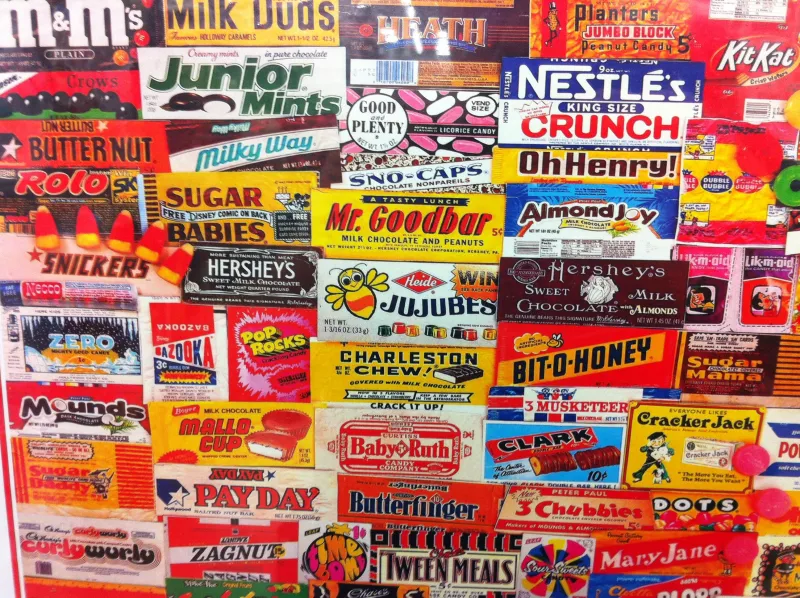
Photo: Mucklagh, CC BY-SA 4.0, via Wikimedia Commons
There's a specific kind of disappointment that hits when you bite into a candy you haven't had in years — the one you used to beg for at the checkout line, the one your grandma kept in a dish on her coffee table — and it just doesn't land the same way. Most people chalk it up to nostalgia. "You were a kid," the logic goes. "Everything tasted better back then."
But here's the thing: that explanation is only part of the story. In a lot of cases, the candy actually changed. And we're not talking about subtle stuff. We're talking about ingredient swaps, texture overhauls, and flavor profile shifts that food scientists can identify in a blind tasting within seconds.
So what's really happening inside those wrappers? Let's get into it.
The Business Case for Messing With a Classic
No candy company wakes up one morning and decides to reformulate a beloved product for the fun of it. These changes almost always come down to money, supply chains, or regulatory pressure — sometimes all three at once.
One of the biggest drivers is commodity cost. Cocoa prices, whole milk powder, and dairy fat are notoriously volatile. When those costs spike, manufacturers have a few options: raise the price, shrink the product, or quietly adjust the recipe. Guess which one gets the least pushback from retailers? If you said "quietly adjust the recipe," you're starting to understand how this industry works.
Another major factor is shelf stability. A candy that can survive a cross-country supply chain, sit in a warehouse, and then live on a store shelf for months needs a different formulation than one made fresh at a small-batch chocolatier. Emulsifiers, stabilizers, and modified dairy ingredients help achieve that longevity — but they also change the mouthfeel and flavor release in ways that are hard to ignore once you know what to look for.
There's also the clean label movement to consider. Over the past decade, consumer pressure to remove artificial flavors, certain preservatives, and high-fructose corn syrup has pushed manufacturers to reformulate in the other direction — swapping out ingredients that, ironically, some people had grown up loving without even knowing they were there.
What Food Chemists Are Actually Tasting
We spoke with a flavor scientist who has spent over 15 years working on confectionery products (she asked to remain anonymous, which honestly makes this whole thing feel more credible). Her take? Consumers are far more perceptive than the industry gives them credit for.
"The dairy component is usually the first thing people notice when it changes," she explained. "Whole milk solids have this rich, slightly caramelized quality that's really hard to replicate with alternatives. When you swap even a portion of that out for a modified dairy ingredient or a plant-based fat blend, the finish — that lingering creaminess — shortens. It goes from a long, warm note to something that kind of just... stops."
She also pointed to sugar ratios as a sneaky variable. When high-fructose corn syrup gets replaced with cane sugar or vice versa, the sweetness curve changes. HFCS tends to deliver a faster, sharper sweetness hit that fades quickly. Cane sugar builds more slowly but lingers. Neither is objectively better, but if your brain has been calibrated to one version since childhood, the other one will feel wrong in a way you might not be able to name.
The Blind Taste Test That Started Arguments
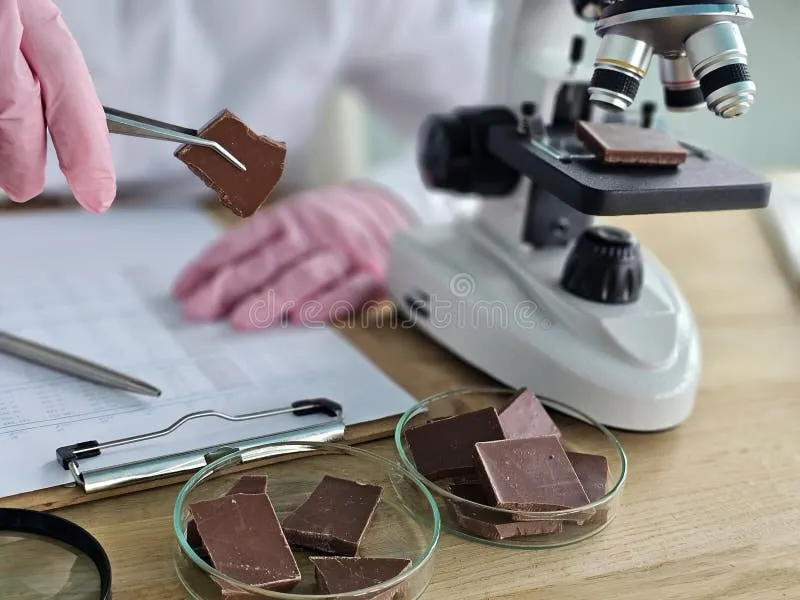
We ran an informal blind taste test here at Milk & Candy — nothing lab-controlled, just a group of eight adults ranging in age from 28 to 54, all self-described milk candy enthusiasts. We sourced current versions of three classic milk-based candies alongside older stock (yes, some candy collectors and enthusiasts do maintain sealed vintage product samples for exactly this kind of thing — the internet is a beautiful place).
The results were genuinely surprising. On two of the three products, every single taster preferred the older version, though they couldn't always articulate why. Common descriptors for the vintage samples included "creamier," "richer," and "more complex." The modern versions were called "sweeter," "cleaner," and — this one came up multiple times — "flatter."
On the third product, the group was split almost evenly, which tracks with the idea that not all reformulations are downgrades. Some candy companies have genuinely improved their recipes over the years, either by sourcing better cocoa or by removing lower-quality filler ingredients that were propping up an earlier, cheaper version of the product.
So Is It Nostalgia or Is It Real?
Honestly? Both. And they're harder to separate than you'd think.
Neuroscience has a lot to say about taste memory. The first time you eat something — especially as a child, when your palate is less cluttered by experience — your brain encodes that flavor alongside all the context surrounding it: the place, the people, the feeling. That memory becomes the baseline. Every future encounter with that candy gets measured against it.
So even if a candy's formula stayed exactly the same, you might still perceive it as different simply because you're eating it alone at your kitchen counter instead of in the back seat of your parents' car on a road trip. The emotional scaffolding that supported the original experience is gone.
But — and this is the part the industry sometimes leans on too heavily — that psychological explanation doesn't account for the measurable, documentable ingredient changes that have happened to dozens of iconic milk candies over the past 30 years. Dismissing consumer complaints as pure nostalgia is a convenient way to avoid accountability.
The truth is that your memory might be inflating how good things were and the recipe might have genuinely gotten worse. These things can coexist.
What You Can Actually Do About It
If you're chasing a specific flavor memory, a few options are worth exploring. Artisan candy makers — many of them small-batch operations you can find at local markets or online — often use higher-quality dairy and simpler ingredient lists that more closely resemble the old-school formulations. They're pricier, but if you're trying to recreate a specific feeling, it might be worth it.
You can also try making milk-based candies at home. Our recipe guides use real cream, whole milk, and quality chocolate, and the difference in depth of flavor compared to most commercial products is immediately noticeable. It's not quite the same as the candy you grew up with, but it might actually be better — and that's a trade-off a lot of people are willing to make.
And if you want to do your own version of our blind taste test? Grab a current bar and a vintage-stock sample from a collector or specialty retailer, eat them both without looking at the labels, and trust what your palate tells you. Your taste buds know more than you give them credit for.
The candy changed. Your memory changed. And somewhere in between those two facts is the bittersweet truth about why nothing ever quite tastes like it used to.