The Secret Architects of Your Favorite Milk Candy: What Flavor Scientists Actually Do All Day
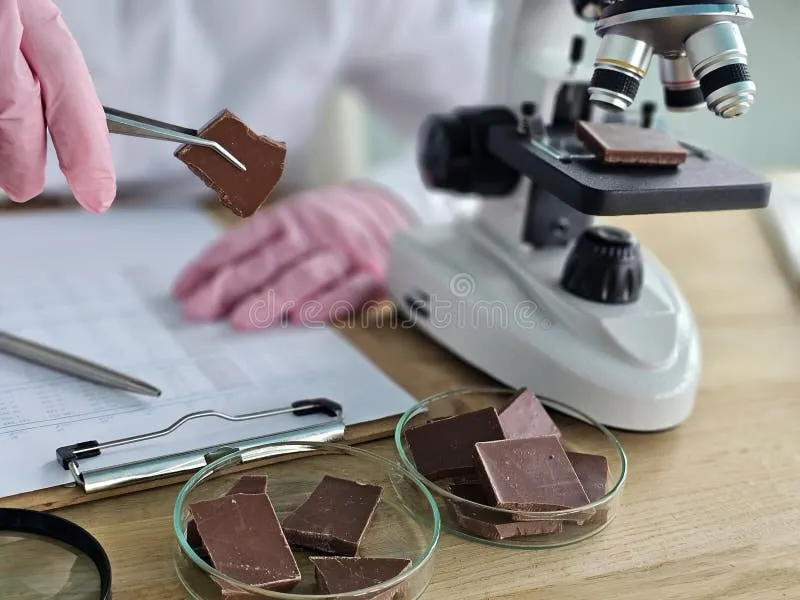
Photo: food scientist working in candy laboratory with milk chocolate samples, via thumbs.dreamstime.com
You tear open a bag of your favorite milk caramels, pop one in your mouth, and for a second, everything is right with the world. The creaminess, the sweetness, that little hit of something you can't quite name — it all just works. But here's the thing: that perfect moment didn't happen by accident. Somewhere, in a lab that smells absolutely incredible, a team of flavor scientists spent months engineering exactly that feeling.
Welcome to one of the most delicious and least talked-about corners of the food industry.
Who Are Flavorists, Exactly?
The people responsible for developing new candy flavors carry a few different titles — flavorist, food scientist, sensory analyst — but their job descriptions overlap in one key way: they are professional obsessives. Certified flavorists in the US go through years of training, often under a master flavorist, before they're trusted to work independently. The Flavor and Extract Manufacturers Association (FEMA) estimates there are fewer than 1,000 certified flavorists in the entire country. That's a tiny group of people with an enormous amount of influence over what ends up in your candy dish.
For milk-based candies specifically — think caramels, milk chocolate bars, butterscotch chews, cream-filled truffles — flavorists are working with what's called a "dairy flavor matrix." Milk solids, cream, butter fat, and sweeteners don't just taste good on their own. They interact chemically in ways that create entirely new flavor compounds during cooking and processing. Understanding how to steer those reactions is basically a superpower.
The Chemistry Behind That Creamy Hit
Here's where it gets genuinely fascinating. When milk sugars (lactose) and proteins (caseins and whey) are heated together, they undergo something called the Maillard reaction — the same process that browns bread and gives coffee its roasted depth. In candy-making, this reaction produces hundreds of flavor compounds at once, including furanones (think caramel sweetness), pyrazines (nutty, roasted notes), and diacetyl (the molecule responsible for that rich, buttery quality in everything from movie popcorn to a good toffee).
Flavorists working on milk candies aren't just tasting things and saying "needs more vanilla." They're analyzing gas chromatography reports, studying volatile compound ratios, and sometimes synthesizing specific molecules in tiny quantities to test whether adding just a little more of one thing tips a mediocre caramel into something transcendent. It's part art, part analytical chemistry, and — honestly — part intuition built from years of training your nose and palate.
From Concept to Consumer: The Long Road to Your Candy Bag
So how does a new milk candy actually get developed? The process varies between large manufacturers like Mars or Ferrara Candy Company and smaller artisanal makers, but there's a general arc that most products follow.
It usually starts with a trend brief. Marketing teams track what flavors are gaining traction — on social media, in restaurants, in other food categories — and hand that intelligence to the R&D team. A few years ago, that meant a lot of requests for salted caramel and brown butter. Right now, flavor scientists are fielding briefs around things like horchata, condensed milk (driven partly by Vietnamese and Filipino coffee culture going mainstream), and nostalgic "retro dairy" profiles like malted milk and cream soda.
Then comes the bench work. Scientists start building prototypes, often going through dozens of iterations before anything tastes remotely right. At this stage, they're adjusting ratios of real dairy ingredients, natural and artificial flavor compounds, sweeteners, and texturizers. Getting flavor is one thing. Getting the texture to carry that flavor — the melt rate, the chew resistance, the way creaminess coats your tongue — is a whole separate challenge.
Consumer testing is where things get humbling. Internal teams can fall in love with a prototype that real people find confusing or off-putting. Sensory panels, focus groups, and blind taste tests all play a role in whittling down options. At larger companies, this stage can involve hundreds of participants across different US regions, because — surprise — what reads as "perfectly sweet" in the South might feel cloying to someone in the Pacific Northwest.
Artisanal Makers Are Changing the Game
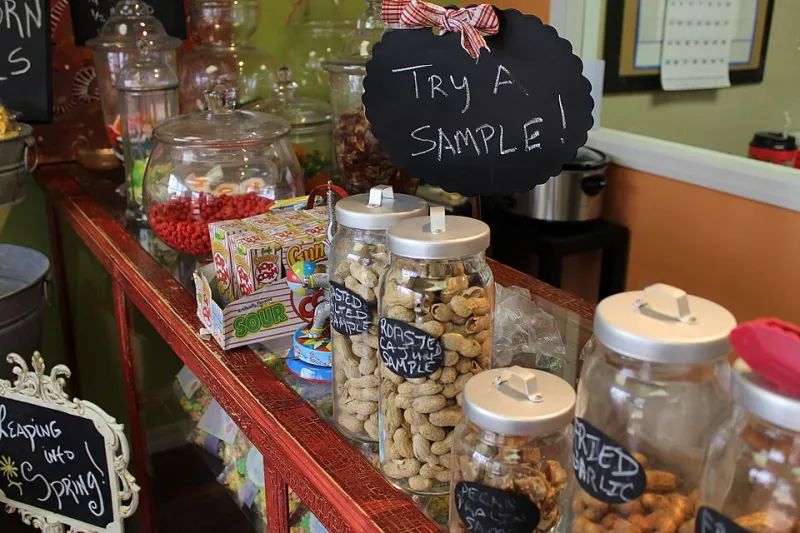
While the big candy corporations have entire departments dedicated to this process, smaller makers are doing something equally interesting with fewer resources. Craft confectioners across the US — from small-batch caramel shops in Portland to chocolatiers in Brooklyn — are bringing a DIY-scientist energy to milk candy development that's producing some genuinely wild results.
Without the corporate safety net of consumer testing budgets, artisanal makers often rely on community feedback in real time, launching limited runs and watching how customers respond. That tight feedback loop can actually speed up innovation. A small caramel company can pivot from a lavender-cream flavor to a black sesame-milk chocolate version in a matter of weeks. For a major manufacturer, that same pivot might take 18 months to clear development, legal, and production hurdles.
The cross-pollination between these two worlds is real, too. Big candy companies watch indie makers closely, and some of the most interesting flavor directions hitting mainstream shelves — miso caramel, anybody? — got their first real-world test in small-batch form.
The Next Wave of Milk Candy Innovation
Flavor scientists we spoke with (most of whom couldn't go on record due to NDA restrictions — this industry is secretive) pointed to a few directions that are generating serious internal excitement right now.
Fermented dairy notes are having a moment. Think the slight tang of crème fraîche or cultured butter worked into caramels and milk chocolates. It adds complexity and a kind of grown-up edge that plays well with consumers who want their sweet treats to feel a little more sophisticated.
Functional ingredients are also being folded into the development process earlier than ever. As consumers ask for milk candies that do something — added protein from whey, gut-friendly prebiotics, adaptogens — flavorists are being challenged to make those additions taste invisible. That's genuinely hard. Protein, for instance, can make candy taste chalky or bitter, and masking that while keeping the creamy milk-forward flavor intact requires serious technical skill.
Regional American dairy traditions are another rich vein being mined right now. Flavors inspired by Southern banana pudding, Midwestern butter mints, or New England cream-based confections are all being explored as a way to tap into hyperlocal nostalgia at a national scale.
Why It All Matters
It's easy to think of candy as simple — sugar, milk, eat, done. But the science and creativity poured into a single milk caramel or chocolate-covered cream is genuinely staggering. The next time you bite into something and think, wow, I can't stop eating these, know that someone spent a very long time making sure you'd feel exactly that way. And somewhere right now, they're already working on the thing that'll replace it.
The candy aisle is a lot more complicated — and a lot more interesting — than it looks.